**Brent Crude Futures Drop Over 5% as Libya Crisis Nears Resolution**
**Prices Near Lowest Levels Since the Start of the Year**
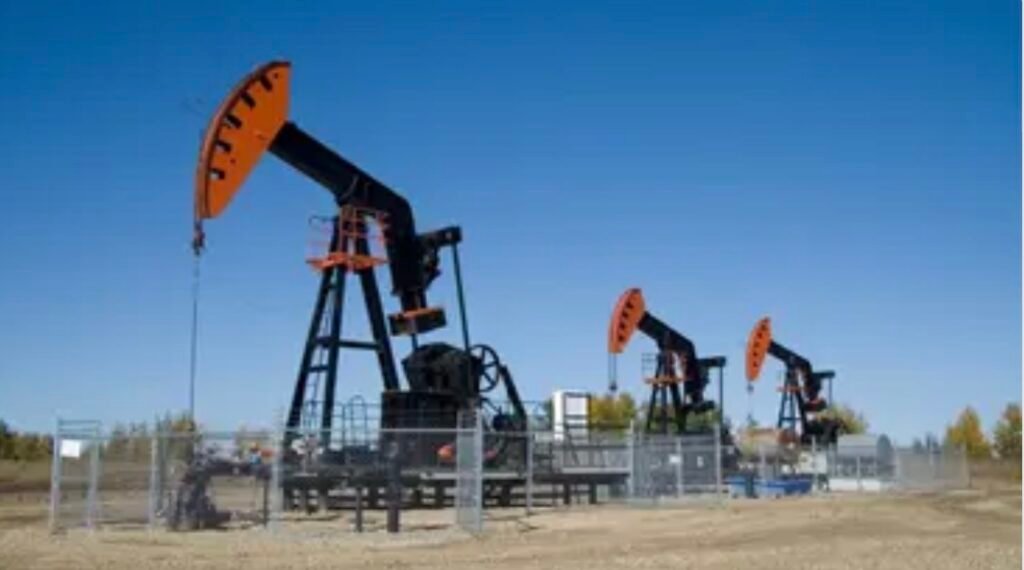
Oil prices fell by 5% on Tuesday after Bloomberg News reported that an agreement is close to resolving the conflict that halted Libya’s production and exports, pushing prices near their lowest levels since the beginning of the year.
The news of additional crude supply returning to the market came at a time when prices were already declining amid expectations of reduced demand due to slowing economic growth in China, the world’s largest importer of crude oil.
Brent crude futures dropped more than 5% to $73.69 per barrel by 18:30 GMT, marking their lowest levels since December. U.S. West Texas Intermediate (WTI) crude, which had no settlement on Monday due to the Labor Day holiday in the United States, lost $3.27, or 4.45%, to settle at $70.27 per barrel, the lowest level since January.
Giovanni Staunovo, an analyst at UBS, stated that the sell-off is linked to the Bloomberg report, which quoted the Governor of Libya’s Central Bank—a central figure in the dispute—saying there are “strong” indications that the concerned political factions are close to reaching an agreement.
Six engineers told Reuters that oil exports remain halted from major Libyan ports and that production is still low across the country as political factions continue to compete for control over the Central Bank and oil revenues.
Libya’s National Oil Corporation (NOC) also declared force majeure at the Al-Fil oil field as of yesterday. The NOC stated that total production had dropped to just over 591,000 barrels per day as of August 28, down from around 959,000 barrels per day on August 26. Production was about 1.28 million barrels per day on July 20.
China, on Monday, reported the first decline in new export orders in eight months in July and stated that new home prices grew in August at the slowest pace this year.
Eight countries in the OPEC+ alliance, which includes the Organization of the Petroleum Exporting Countries (OPEC) and its partners, are scheduled to increase production by 180,000 barrels per day in October—a plan that industry sources said is likely to proceed regardless of demand concerns.
Supply concerns were further exacerbated after two oil tankers were attacked yesterday in the Red Sea off the coast of Yemen, though they did not sustain significant damage.
—by/radwa sherif ✏️✏️📚